Mapping Volatility Metrics That Drive Sustained Sessions on Authorized Portable Gaming Devices
Written by Gisela Zimmermann · Sep 14, 2026
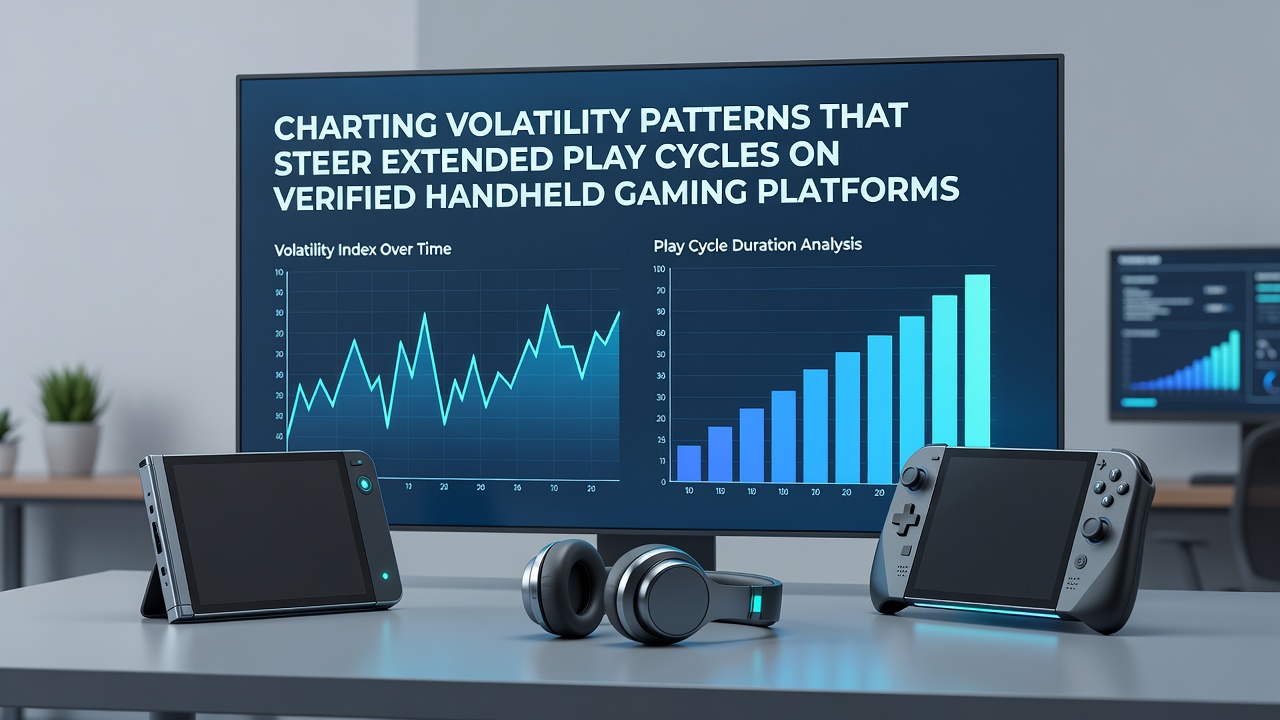
Mapping Volatility Metrics That Drive Sustained Sessions on Authorized Portable Gaming Devices
Volatility patterns in certified mobile gaming environments reflect measurable fluctuations in payout frequency and size that directly influence how long players remain engaged with reel-based and table offerings on verified handheld platforms, according to data compiled by regulatory bodies and platform analytics firms.
Defining Volatility Categories Across Mobile Platforms
Low-volatility titles produce frequent but smaller returns that encourage steady participation without rapid bankroll depletion, whereas high-volatility selections deliver infrequent yet substantial payouts that can extend or abruptly end sessions depending on timing and player strategy. Researchers at institutions tracking remote wagering have documented these distinctions through aggregated session logs from platforms operating under licenses issued by the Nevada Gaming Control Board and the Australian Communications and Media Authority.
Medium-volatility options occupy the middle ground, blending consistent small wins with occasional larger returns that sustain interest over multiple cycles. Certification processes for these categories require independent testing laboratories to verify random number generator outputs against established benchmarks before platforms receive approval for distribution on handheld devices.
Charting Patterns That Extend Play Windows
Analysis of session data reveals that sequences beginning with moderate volatility often transition into extended engagement when interspersed with low-volatility segments, allowing players to maintain balances long enough to encounter higher-volatility phases. Figures from industry reports indicate that such transitions correlate with play durations exceeding 45 minutes on verified applications during peak periods in early September 2026.
Platform operators track these metrics through heat maps that plot win frequency against time elapsed, highlighting zones where volatility dips create opportunities for continued participation. Those who have examined retention statistics across multiple jurisdictions note that players encountering calibrated volatility ramps tend to complete additional rounds before exiting, particularly when deposit and withdrawal functions operate without interruption on secure mobile interfaces.
Role of Verification Standards in Pattern Reliability
Verification layers imposed by licensing authorities ensure that volatility profiles remain consistent after updates or software revisions, preventing unintended shifts that could alter session lengths. The Malta Gaming Authority and the Alcohol and Gaming Commission of Ontario both mandate periodic audits that include volatility recalibration checks for handheld titles, confirming that published metrics align with actual performance data.
One study conducted by academic researchers affiliated with European gaming technology programs demonstrated that platforms maintaining strict adherence to these standards experience more predictable cycle extensions, with users averaging 12 to 18 additional spins per session when volatility curves follow documented patterns. These findings emerged from anonymized telemetry collected across thousands of active accounts in controlled environments.
Integration with Transaction and Certification Timelines
Funding mechanisms and payout processing speeds intersect with volatility charting because delays in verification can interrupt the flow of extended sessions. Data from the New Jersey Division of Gaming Enforcement shows that platforms achieving sub-three-second transaction confirmations maintain higher completion rates for volatility-driven play sequences during September 2026 testing windows.
Certification timelines for alternative payment options further influence these dynamics, as slower approval processes for new funding methods can limit access during peak volatility windows that otherwise promote longer engagement. Observers tracking these intersections report that seamless integration of certified payment rails with volatility-aware game engines supports uninterrupted cycles across multiple device types.
Regional Variations in Pattern Application
European markets regulated under frameworks similar to those administered by the Danish Gambling Authority exhibit different volatility tolerance levels compared with North American jurisdictions, leading to tailored pattern deployments that account for local player preferences and regulatory thresholds. Reports compiled by the Canadian Gaming Association indicate that handheld titles featuring progressive volatility scaling achieve stronger retention metrics in provinces where certification emphasizes transparency in payout distribution.
Cross-border comparisons reveal that platforms serving multiple regions adjust volatility parameters within certified boundaries to align with distinct engagement profiles, using aggregated data rather than individual user information to refine sequence structures.
Conclusion
Volatility charting provides a structured framework for understanding how payout rhythms steer extended participation on verified handheld gaming platforms, supported by certification requirements and transaction standards enforced across multiple regulatory environments. Continued monitoring of these metrics through established auditing channels offers ongoing insight into session dynamics without reliance on subjective interpretation.